If you’ve ever compared painting quotes and wondered why one company is significantly more expensive than another, the answer is rarely just the paint.
More often, the difference is prep work.
At DeHaan Painting, we often say: paint is only as good as what it’s applied to. Professional preparation is what determines whether a paint job lasts two years or twelve — and it’s the part of the process that’s hardest to see until it’s skipped.
This article breaks down what professional prep actually involves, why it matters, and how it directly impacts the durability, appearance, and value of your home.
Prep Work Is the Foundation of a Quality Paint Job
Paint is not a magic fix. It doesn’t hide failing surfaces, seal moisture problems, or correct years of wear on its own.
Professional prep work:
- Creates a clean, stable surface for adhesion
- Addresses existing failures before they spread
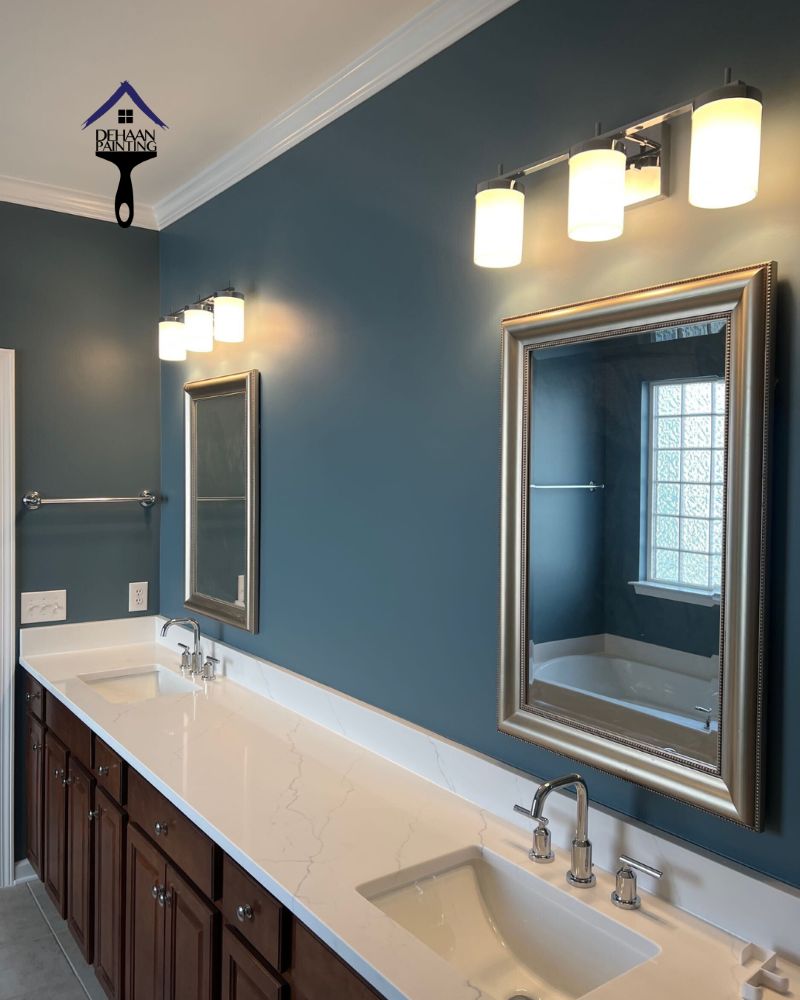
- Ensures uniform sheen, texture, and color
- Extends the life of the finished coating
When prep is rushed or ignored, the results may look fine at first — but issues like peeling, flashing, cracking, or premature wear tend to show up quickly.
What “Professional Prep” Actually Includes
Prep is not one step. It’s a series of intentional processes, customized to the home, materials, and conditions.
Here’s what that typically looks like on a professional project:
1. Surface Evaluation (Before Any Tools Come Out)
Every quality paint job starts with an assessment:
- Is the existing paint failing or stable?
- Are there moisture, tannin, or adhesion issues?
- Is this oil-based paint, latex, or a mix?
- Are there previous repairs that weren’t done correctly?
Skipping this step often leads to using the wrong primer, skipping critical prep, or applying paint that won’t bond properly.
2. Cleaning & Decontamination
Paint does not adhere well to:
- Dirt and dust
- Grease and cooking residue
- Chalky exterior paint
- Pollen, mildew, or oxidation
Professional prep includes thorough cleaning — whether that’s hand washing, controlled pressure washing, or degreasing — depending on the surface. This step alone can dramatically affect paint adhesion and longevity.
3. Sanding: Creating a Mechanical Bond
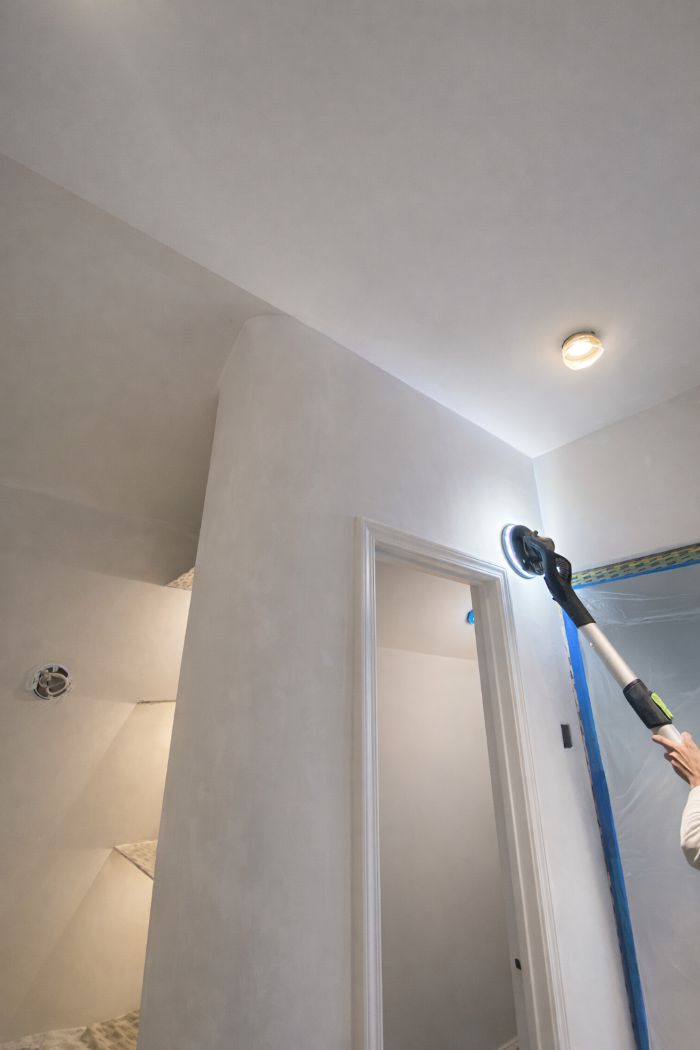
Sanding is not just about making a wall feel smoother to the touch. It is one of the most important steps in helping new paint properly adhere to the surface underneath. Without it, even a high-quality coating can struggle to bond well, especially over glossy paint, patched areas, minor texture inconsistencies, or surfaces that have collected residue over time.
Done correctly, sanding helps:
- De-gloss slick or previously painted surfaces so primer and paint can grip
- Feather rough transitions where paint has peeled, chipped, or lifted
- Level out patch areas so repairs blend more naturally into the surrounding wall
- Reduce visible brush marks, roller texture, and small surface irregularities
- Create a more even foundation for a smoother, more professional finish
This step also helps painters catch issues that might otherwise go unnoticed until after the new color is on the wall. Small ridges, rough patches, uneven repairs, and hidden edge lines often become much more visible once fresh paint is applied.
Quick painters often spot-sand only where peeling is obvious. Professionals sand strategically and intentionally, even where problems aren’t yet visible. They understand that prep is not just about fixing what you already see. It is about preventing flaws from showing up later and giving the finish every chance to look clean, even, and durable.
3. Sanding: Creating a Mechanical Bond
Sanding is not just about making a wall feel smoother to the touch. It is one of the most important steps in helping new paint properly adhere to the surface underneath. Without it, even a high-quality coating can struggle to bond well, especially over glossy paint, patched areas, minor texture inconsistencies, or surfaces that have collected residue over time.
Done correctly, sanding helps:
- De-gloss slick or previously painted surfaces so primer and paint can grip
- Feather rough transitions where paint has peeled, chipped, or lifted
- Level out patch areas so repairs blend more naturally into the surrounding wall
- Reduce visible brush marks, roller texture, and small surface irregularities
- Create a more even foundation for a smoother, more professional finish
This step also helps painters catch issues that might otherwise go unnoticed until after the new color is on the wall. Small ridges, rough patches, uneven repairs, and hidden edge lines often become much more visible once fresh paint is applied.
Quick painters often spot-sand only where peeling is obvious. Professionals sand strategically and intentionally, even where problems aren’t yet visible. They understand that prep is not just about fixing what you already see. It is about preventing flaws from showing up later and giving the finish every chance to look clean, even, and durable.
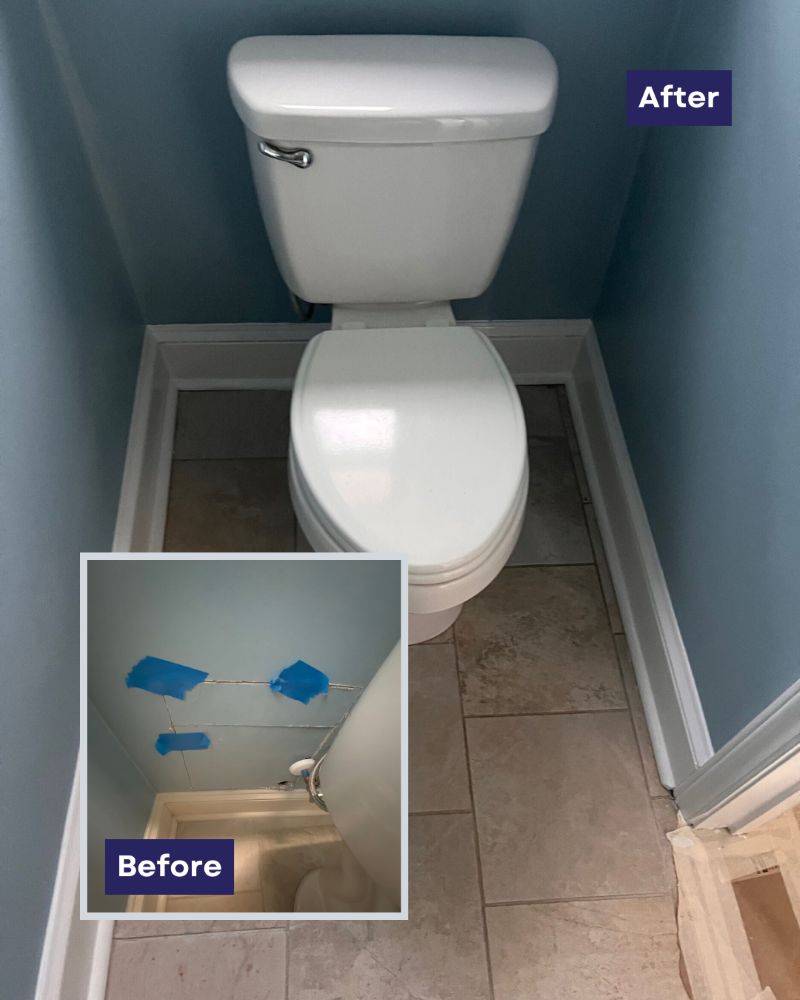
Repairing What Paint Can’t Fix
Paint doesn’t repair:
- Cracked trim
- Failed caulk joints
- Nail pops or damaged drywall
- Soft or deteriorating wood
Professional prep includes:
- Re-caulking joints with the correct products
- Filling, patching, and shaping repairs
- Addressing wood repairs before they become replacements
This step takes time — and it’s one of the biggest differences between a lower and higher quote.
5. Proper Priming (Not Just “Spot Priming”)
Primer is not optional when:
- Painting over bare wood or repairs
- Transitioning from oil-based to latex paint
- Blocking stains or tannins
- Improving adhesion on slick or previously coated surfaces
Professional prep uses specific primers for specific problems, not a one-size-fits-all approach. Skipping or under-priming often leads to bleed-through, peeling, or uneven sheen.
Why Skipped Prep Costs More in the Long Run
Homeowners sometimes choose a lower quote thinking they’ll “just repaint sooner if needed.”
In reality, poor prep often leads to:
- Premature peeling or cracking
- Moisture intrusion and hidden damage
- Repainting far sooner than expected
- Paying twice — once for the cheap job, once for the fix
We’re frequently called in to correct failed paint jobs, and the fix is almost always more expensive than doing it right the first time — because now we’re undoing shortcuts.
How Prep Impacts the Final Look (Not Just Durability)
Even if paint doesn’t fail immediately, prep affects how the project looks every single day:
- Uneven walls show more under certain lighting
- Poor sanding leads to visible edges and patches
- Inadequate caulking creates shadow lines and gaps
- Improper priming causes flashing or blotchiness
High-end results come from what happens before the finish coat ever goes on.
Why Professional Prep Shows Up in Your Estimate
Prep is labor-intensive, detail-driven, and customized — which means:
- It takes time
- It requires experience
- It can’t be rushed without consequences
When you see a higher-quality estimate, you’re often paying for:
- Time allocated for proper prep
- Skilled painters who know what to address
- Products selected for longevity, not speed
That investment shows up years later when the paint still looks right.
Why Professional Prep Shows Up in Your Estimate
Prep is labor-intensive, detail-driven, and customized — which means:
- It takes time
- It requires experience
- It can’t be rushed without consequences
When you see a higher-quality estimate, you’re often paying for:
- Time allocated for proper prep
- Skilled painters who know what to address
- Products selected for longevity, not speed
That investment shows up years later when the paint still looks right.
The Bottom Line
Paint is the visible part of the job — but prep is the work that makes it last.
If you’re comparing quotes, ask this question:
“What prep work is included, and why?”
The quality of that answer will tell you far more than the price alone.
If you’re planning a painting project and want a clear, honest assessment of what your home actually needs — and why — DeHaan Painting is always happy to walk you through it.
📅 Start the conversation with us today. Get a detailed estimate built around the prep, repairs, and finish quality your home truly needs.
Helping Thousands of Families in Plaza Midwood, Noda, Chantilly, Dilworth, Elizabeth, Myers Park, South Park, Barclay Downs and Surrounding Areas.
DeHaan Painting
“Charlotte’s Premier Painter”
Dock, Deck, Fence Staining – Interior House Painting – Exterior House Painting – Kitchen Cabinet Painting – Limewash Applications – Commercial Painting – Christmas Light Installer
Phone: (980) 224-3191
Email: info@dehaanpaints.com